
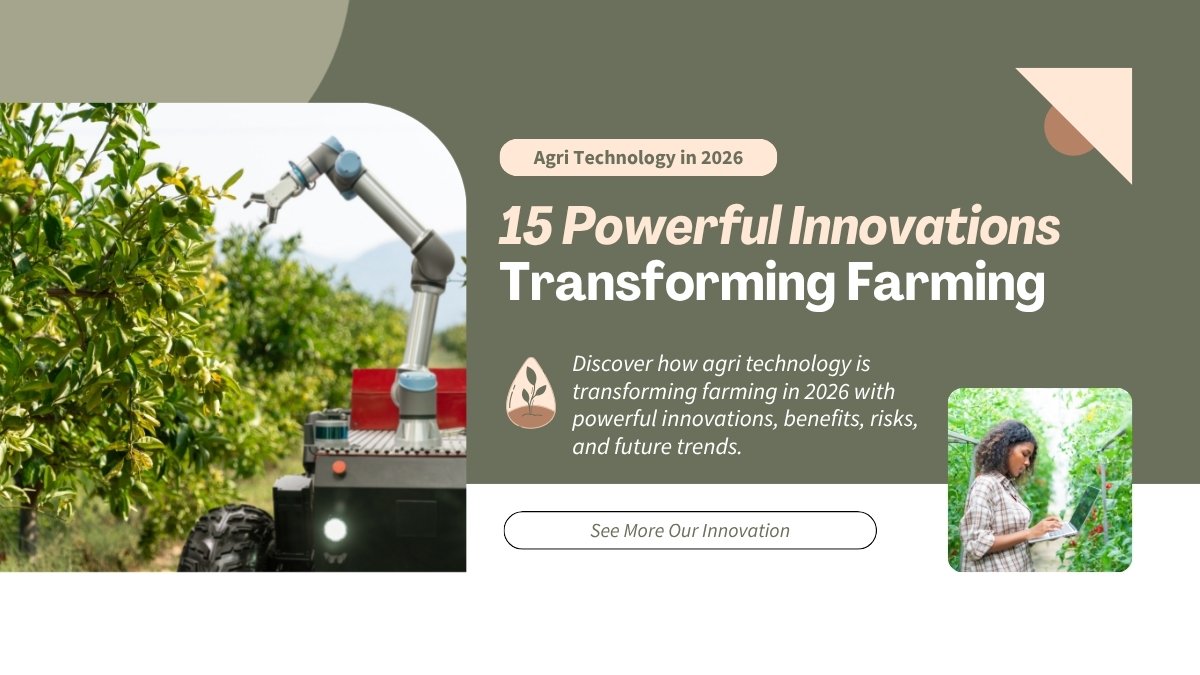
 Agri Technology in 2026: 15 Powerful Innovations Transforming Farming
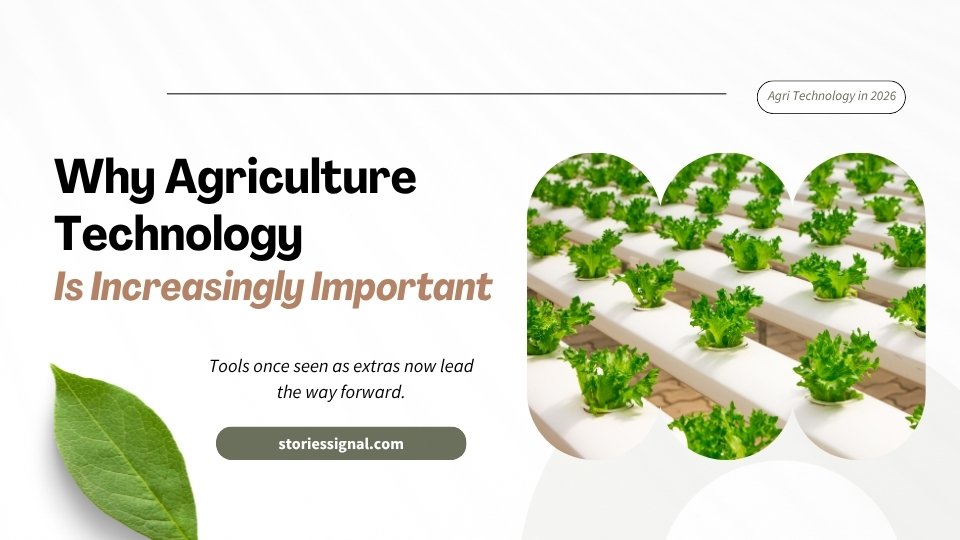
Why Agriculture Technology Is Increasingly Important
Right now, farming tech isn’t some passing phase. It’s what growers need to survive. As more people fill the planet, weather acts up, and meals grow harder to guarantee, those working the land must do better – using less. That shift? Tech makes it possible. Tools once seen as extras now lead the way forward.
StoriesSignal.com shows change happening fast across fields –farming sits right in the middle. Not just machines, but smarter ways of watching crops using artificial intelligence. Irrigation now works with sensors instead of guesses. Growing food looks different because tools connect, learn, time actions. Management shifts when data guides decisions every step. Distribution adapts once information flows faster than before. This shift isn’t waiting, it moves through soil and supply lines alike.
Here’s what catches many off guard: even though farming tech brings big advantages, it carries unseen downsides too often ignored. Dive into this full look, where each part unfolds carefully – one side after another.
Agri Technology Explained?
Farming tech – often called AgTech – brings together new devices, data platforms, computer–driven methods to boost how farms operate, grow more with less strain on resources. A shift from old habits shows up in sensors guiding irrigation instead of guesswork. Machines learn patterns in soil health so decisions happen faster, often before problems appear. Digital logs track every seed planted, helping adjust routines year after year. Science shapes smarter crop rotation by revealing what hidden factors affect yields. Tools evolve constantly, shaped by real field feedback rather than lab theories alone.
Agri Tech Key Parts
- Artificial Intelligence (AI)
- Internet of Things (IoT)
- Drones and Robotics
- Precision Farming
- Biotechnology
- Data Analytics
Agri Tech Advances 2026
1. AI-Powered Crop Monitoring
Farms watched from above show trouble before it spreads. Machines spot sick plants by reading light changes. Early warnings come from data, not just eyes.
2. Smart Irrigation Systems
Farms use less water when systems turn on by themselves. Efficiency jumps because timing improves without waiting for people.
3. Agricultural Drones
Flying over fields, it sprays chemicals to protect plants. Watching growth from above helps farmers see problems early. Drawing detailed maps of land gives a clear picture of the terrain.
4. Precision Farming
Farming now leans on satellite signals mixed with number crunching. Fields get planted or picked based on patterns spotted through digital tools.
5. Vertical Farming
Growing crops indoors using controlled environments and LED lighting.
6. Blockchain in Agriculture
Fresh eyes on where things come from, so you know what’s in your meal. Hidden paths become clear when every step shows itself.
7. Autonomous Tractors
Farmers lean less on workers when machines steer fields alone.
8. Soil Health Sensors
Fresh updates on dirt conditions help farmers pick smarter planting moves. Right–now info shifts how fields are managed each day.
9. Climate-Smart Agriculture
Adapts farming practices to climate change conditions.
10. Genetically Modified Crops
Fewer bugs bother these plants. Their ability to fight sickness gets stronger too.
11. Farm Management Software
Keeping tabs on how things run comes first. Money moving out shows up clearly. What gets produced lands right there too.
12. Robotics in Harvesting
Machines that pick fruits and vegetables automatically.
13. Livestock Monitoring Systems
Fitted gadgets keep tabs on how animals are doing, also showing their output levels.
14. Hydroponics and Aquaponics
Soil-less farming methods saving water and space.
15. Big Data Analytics in Agriculture
Clear choices come from what numbers show. When facts guide steps, outcomes make more sense.
Agri Technology Benefits
Increased Productivity
Crops come easier these days when hands work fewer hours. Farming now means doing small things that bring big results without tiring labor.
Resource Efficiency
Farms now get by with less water, since nutrients go further when timed right. Chemicals drop off in amount because timing improves results. Efficiency climbs without calling it that.
Cost Reduction
Automation reduces labor costs.
Better Crop Quality
Farms grow stronger when watched closely. Crops thrive under steady eyes. Attention changes how plants survive. Watching shifts what grows well. Close checks make roots last longer.
Sustainability
Caring for crops in a gentle way leaves nature less disturbed. A lighter touch on the land means fewer scars across fields.
Hidden Dangers in Farm Tech Many Overlook
Farming tech might bring benefits – yet problems tag along too
High Initial Costs
Farmers with little land often find it tough to pay for high–tech gear.
Data Privacy Issues
Farm details might fall into corporate hands. Someone else could twist that info later.
Technology Dependency
Putting too much trust in machines might lead to problems.
Job Displacement
Fewer people might work on farms because machines take over tasks. Machines doing the job means less need for human hands in fields.
Cybersecurity Threats
Hackers can get into linked devices. These setups open doors to outside attacks.
Agri Tech in Everyday Farming
- Smart farms using IoT sensors
- Drone-based pesticide spraying
- AI-based weather prediction systems
Agri technology in developing countries
Farming tools hit harder in places such as Pakistan, then also India, yet across many African regions too.
Key Impacts:
- Improved food security
- Increased farmer income
- Reduced crop losses
However, challenges include:
- Lack of awareness
- Limited internet access
- High costs
What Comes Next for Farm Agri Technology
The future of agri technology looks promising:
- AI-driven autonomous farms
- Fully automated supply chains
- Climate-resilient crops
- Smart greenhouses
By 2030, farming tech might form the core of how food moves around the world, say specialists. Instead of old methods, digital tools could shape what grows where. Think sensors in soil guiding harvests, not guesswork. Machines learning crop patterns may quietly replace traditional planning. Behind every meal, data streams could be at work. Even now, signs point to a shift already taking root. Not magic – just smarter ways growing beneath the surface.
Uncommon Perspectives Outside Popular Search Answers
🔍 1. Data Ownership Will Become the Next Big Issue
Farmers using tech tools on their land might find themselves no longer calling the shots about the information created. Data collected by digital devices can slip beyond their grasp, even though it comes from their own fields.
🔍 2. Digital Divide in Agriculture
Farms with more land tend to grab new tools first, leaving smaller ones behind. How quickly they move shapes who stays ahead.
🔍 3. Subscription-Based Farming Tools
Farm tech down the road could run on subscription setups, piling up expenses over time.
🔍 4. AI Bias in Agriculture
When training data is small, AI can fail in different regions.
people also ask
Q1: What is agri technology used for?
Farming gets smarter when tech steps in, blending artificial intelligence with sensors so fields stay watched day and night. Tools such as drones fly overhead while data flows through networks that link soil to sky. Machines learn patterns over time instead of just following orders blindly. Productivity climbs because decisions come faster now thanks to live updates from smart devices. Resources stretch further since water and fertilizer go only where needed most.
Q2: How does agri technology help farmers?
Farmers gain clearer choices when numbers guide their steps instead of guesswork. Costs shrink as machines handle tasks once done by hand. Higher harvests appear where smart systems shape planting routines. Insights pulled from soil sensors shift how fields are managed week after week.
Q3: What are examples of agri technology?
Take smart irrigation setups, for instance – drones float above fields while artificial intelligence keeps tabs on crops. Precision tools shape how farmers manage land, each piece fitting into a larger system. Machines track growth patterns instead of guessing by sight alone.
Is Agricultural Technology Costly?
True, getting started might cost a lot. Still, what comes later usually makes it worth the price.
Q5: What is the future of agri technology?
Farms might run on artificial intelligence one day, using smart machines instead of people. Machines could take care of crops while humans step back. Growing food may shift toward methods that protect nature more carefully. These changes often arrive slowly, yet they shape how things work behind the scenes.
Conclusion
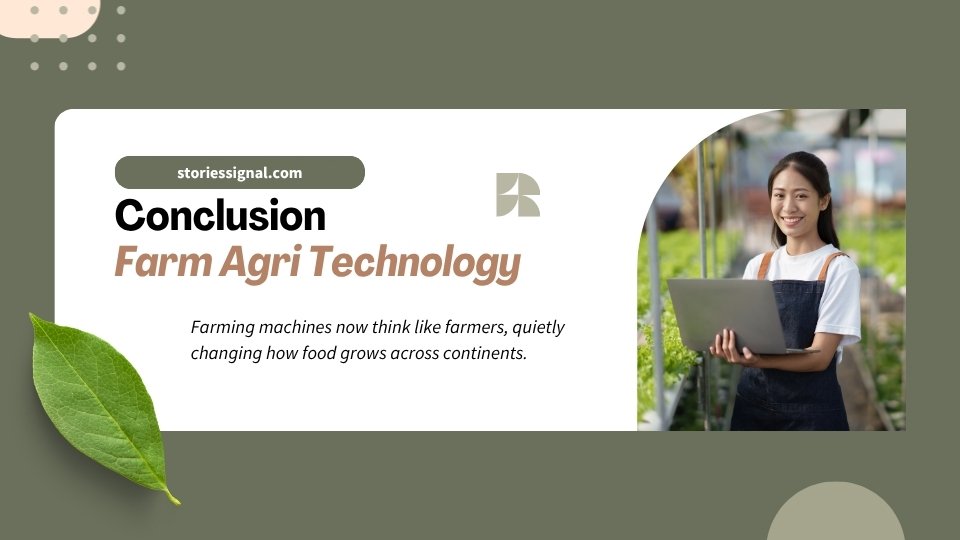
Farming machines now think like farmers, quietly changing how food grows across continents. Not only do sensors track soil health, but drones also watch crops stretch toward sunlight. Instead of guessing, growers receive alerts when plants need water or rest. Even small villages gain access to data once reserved for big corporations. This shift doesn’t just speed up harvests – it reshapes who gets to feed the planet.
Still, the piece keeps pointing out that dangers often tag along with new tech advances. Not every breakthrough plays safe.
Folks at places such as StoriesSignal.com keep digging into big shifts, showing what could go well – and what might backfire. When farming tech moves forward, getting things right means matching new ideas with good judgment.