
Doors Technology: 7 Powerful & Best Smart Door Technology Options for Home Security
Security at home looks totally different now than it did just a few years back. Wooden doors with basic locks? They simply cannot handle today’s risks anymore. What’s happening instead is clever door setups using motion trackers, learning software, fingerprint checks, even phone–based controls – all working together behind the scenes.
Homeowners everywhere are starting to install smart entry setups managed by phones, fingerprint scans, or face detection. With these tools, getting in feels easier – security tightens without adding steps. Old keys just fall short in comparison when speed meets safety.
Fresh ideas pop up daily at StoriesSignal.com, yet door tech stands out as a quiet revolution in how homes stay safe. Not just gadgets bolted on – these are full systems thinking ahead, like cameras built into entryways watching who comes near. Locked or unlocked, it does not matter much anymore because intelligence now lives in the frame, listening, learning. Some rely on facial recognition; others respond to voices or phones tucked in pockets. Connection shapes everything now, turning walls into aware spaces that know their owners better. Safety feels different when your front door remembers you instead of waiting for keys.
What if your front door could do more than just open? This guide walks through top smart door tech for keeping homes safe. Some lock themselves. Others talk to phones. Each piece explains what happens behind the scenes. You get clarity on perks without the noise. Picking one that fits your place becomes simpler when details make sense. Options shift based on needs, not trends.
powerful technology innovations and their hidden risks
Doors Technology Explained?
Starting off, Doors tech means new tools made to boost how safe, easy to reach, and smart entryways can be inside houses, work areas, or large structures. From basements to skyscrapers, these updates help control who gets in while making access smoother without extra steps. Though quiet in design, their impact shows each time someone walks through without a key. Behind the scenes, sensors and silent software track movements, adjusting locks based on routine behavior. Over time, that changes how people interact with walls meant to keep things out—yet open when needed.
Footprints of code meet circuits in quiet sync. Machines breathe through layers built tight. Tools link one to another without flash or fuss. Systems run where wires hug logic close.
- Smart locks
- Biometric scanners
- Internet of Things (IoT) connectivity
- AI-powered surveillance
- Remote access systems
Homeowners now open their doors without metal keys—smartphones do it just fine. Fingerprint scans work too, replacing old locks quietly. Voice tells the door what to do, making keychains obsolete. Even a face can be enough, recognized by sensors that respond instantly.
- Parts of Door Tech
- Smart Lock Systems
- Biometric Authentication
- Video Doorbells
- Remote Access Control
- Motion Detection Sensors
- AI-powered security monitoring
Smart home tech brings new ways to keep things secure, responsive, under control. A shift happens when devices learn routines—safety adjusts itself. Management? It flows without constant oversight. Clever setups respond before problems grow. Life at home turns simpler, almost by accident.
Doors Technology Matters for Keeping Homes Safe
Fences wear down over time. Old keys open doors they should not, copied without permission, leaving houses at risk.
Fences used to guard homes; now it is smart entryways using clever shields instead. These new systems stop old troubles with sharper ways of locking out threats.
Key Benefits
1. Keyless Entry
Finding your key won’t be a problem. It just stays put, ready when you are.
2. Remote Monitoring
Far away or close by, see what your door is doing. Watch it, manage it—no matter where you are.
3. Real-Time Alerts
Get an alert whenever someone tries to get into your house.
4. Enhanced Security
Fingerprints let some people enter—others stay out. Home locks respond only to them.
5. Smart Home Integration
From your phone, a smart door connects to helpers like spoken commands or timed routines inside the house. It listens when you talk, plus reacts without needing buttons pressed each time. Some days it opens before you reach; others wait until motion shows up nearby. Voice says go, then locks follow after you pass through slowly.
Smart Doors Technology Choices for Home Safety
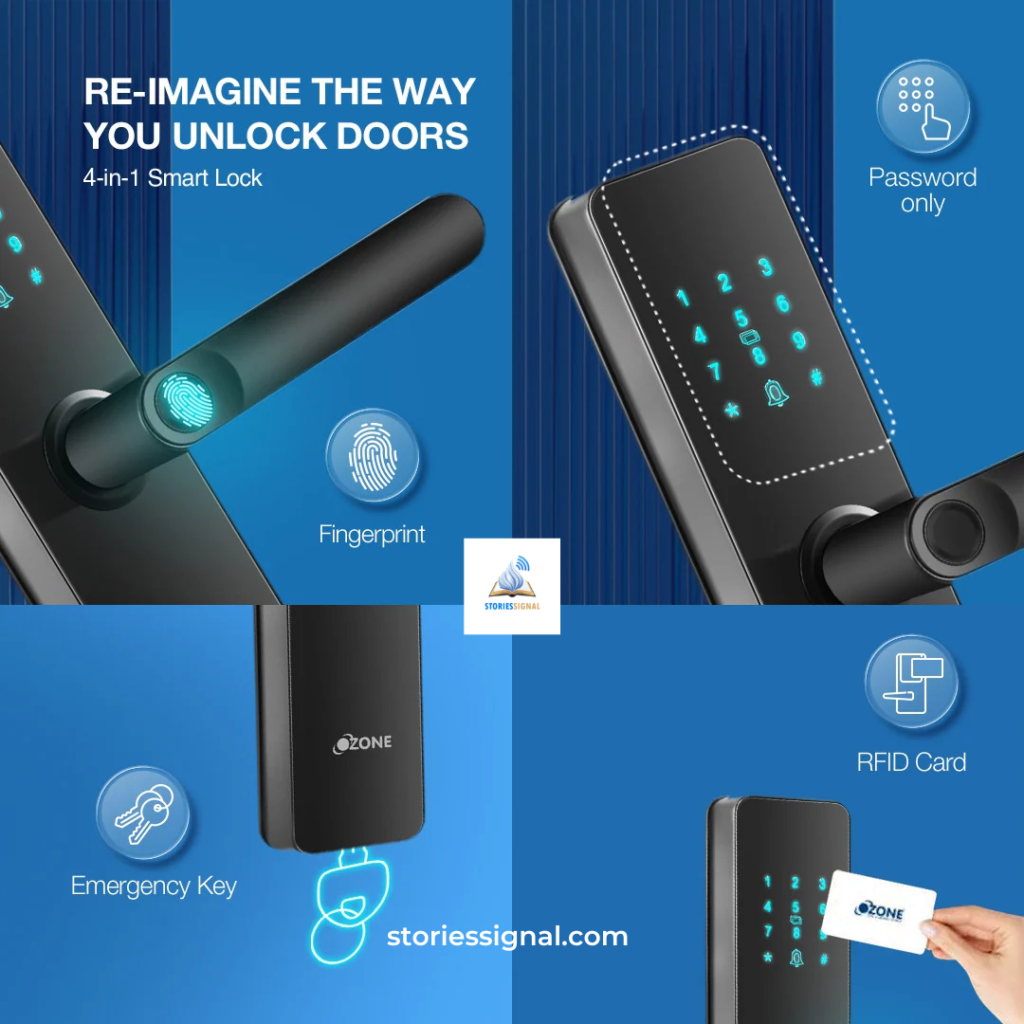
1. Smart Locks
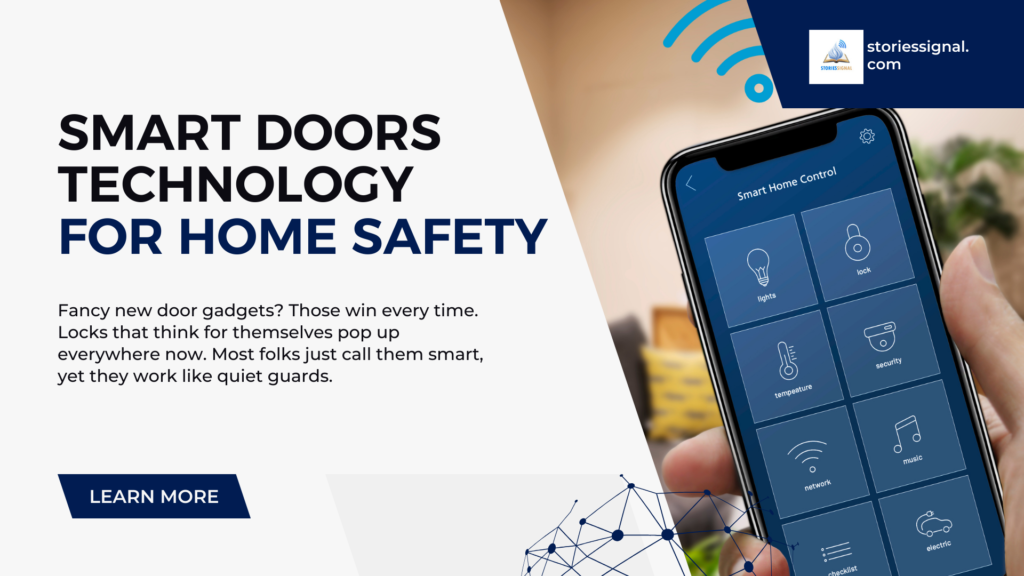
Fancy new door gadgets? Those win every time. Locks that think for themselves pop up everywhere now. Most folks just call them smart, yet they work like quiet guards. These gizmos took over the front entrance scene fast. Clever bolts replaced old keys more often than not these days.
How They Work
Smart locks replace traditional locks and allow entry through:
- PIN codes
- Smartphone apps
- Bluetooth
- Wi-Fi connectivity
Advantages
- Remote unlocking
- Temporary access codes for guests
- Activity logs showing who entered the house
Best For
Folks living in houses care about ease plus managing things from far away.
2. Biometric Door Locks
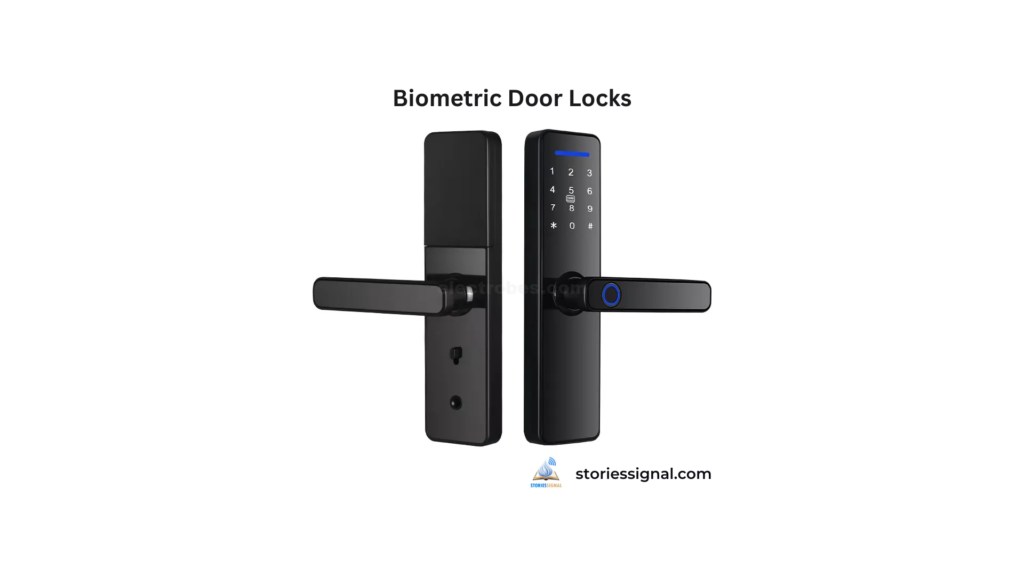
Fingerprint scans now open what keys once did. A face glance replaces turning locks by hand. Vein patterns light up screens where passwords ruled before. Your heartbeat confirms access like a silent yes. Eye maps guide entry where codes used to decide. Skin texture answers questions buttons never asked.
How It Works
Fingerprint patterns open some of these locks, while others respond to the unique details in your face. Eye scanning works just as well for entry on certain models.
Benefits
- Extremely secure
- Impossible to duplicate
- Fast access in seconds
Ideal For
- High-security homes
- Offices
- Luxury apartments
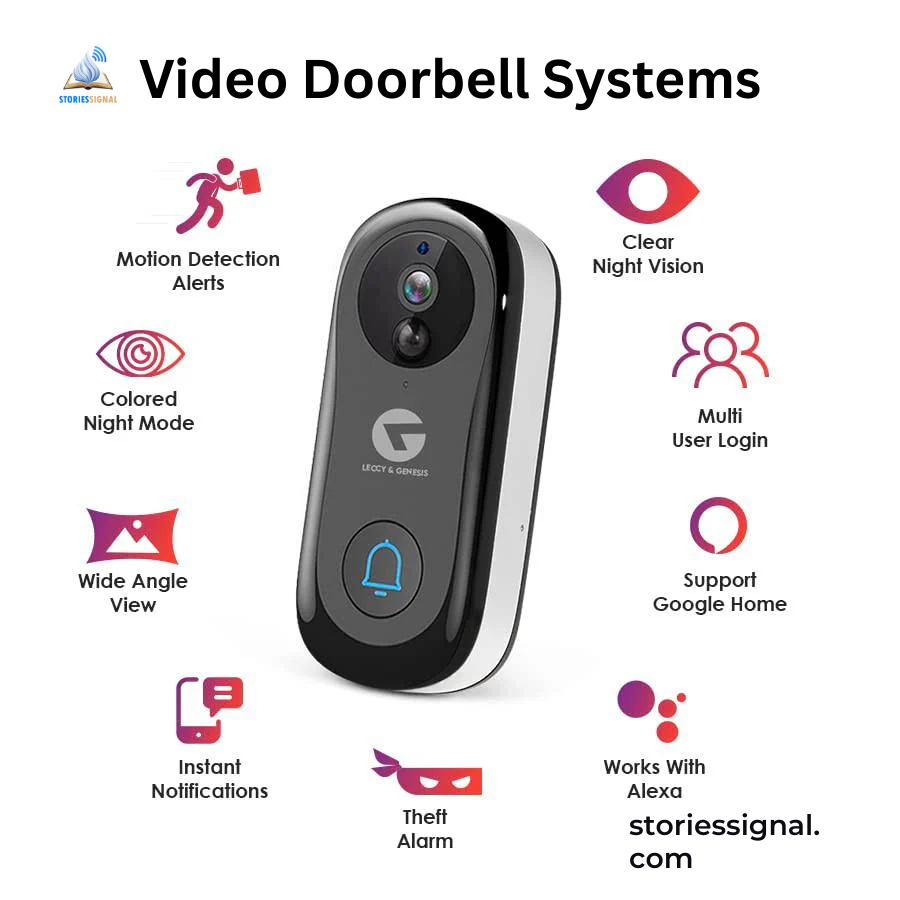
3. Video Doorbell Systems
A little camera watches your front step while talking through the door happens too. Some gadgets link these two jobs together neatly now.
Key Features
- HD camera
- Two-way audio
- Motion detection alerts
- Smartphone notifications
Why It Matters
Facing someone at your doorstep without unlocking becomes possible, making the house feel more secure. A voice exchange happens first, so risks drop before any entry occurs.
4. AI-Powered Smart Doors
Fences think now, thanks to smart machines. Doors open by themselves, guided by unseen logic.
Capabilities
AI-powered doors can:
- Recognize family members
- Detect suspicious behavior
- Automatically lock when you leave
Future Possibilities
Facing tomorrow’s threats might become easier when machines start spotting danger early. A shift could come as smart programs sense trouble ahead. Before chaos strikes, alerts might rise from silent algorithms watching closely. Moments before breaches unfold, warnings may appear through unseen patterns caught by code.
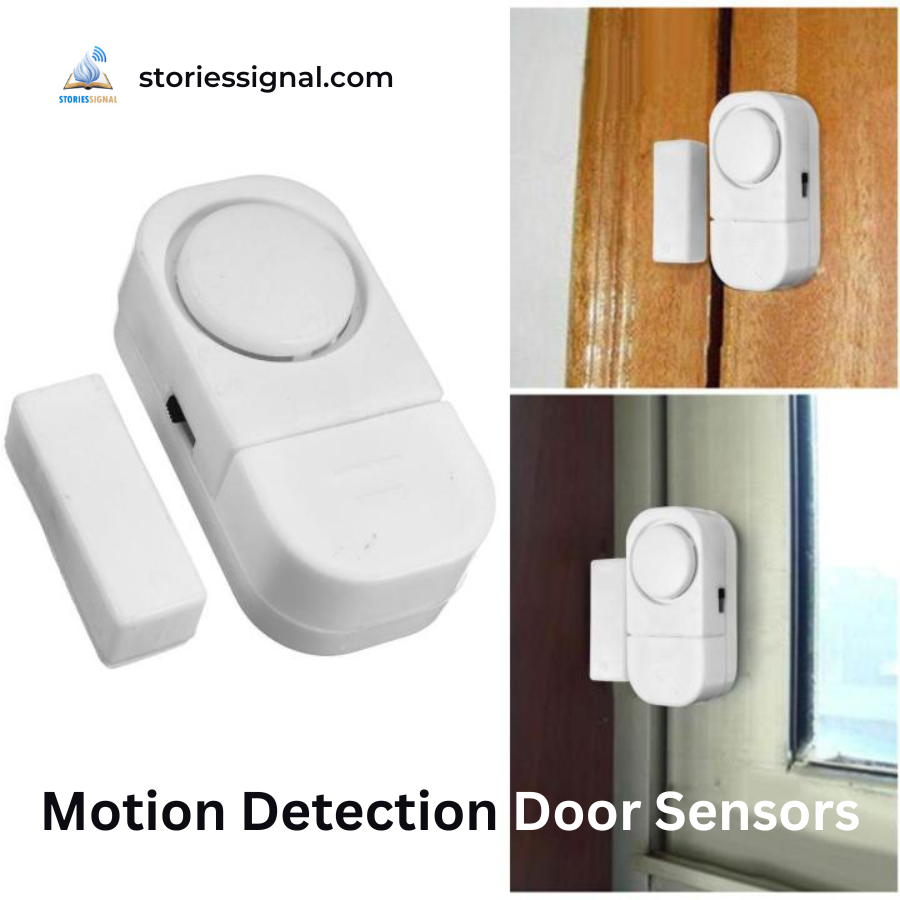
5. Motion Detection Door Sensors
Motion sensors show up often in today’s door systems. They help doors react without needing a push or pull.
Features
- Detect movement near doors
- Trigger alarms
- Send mobile alerts
Benefits
Homeowners stay safer when threats are stopped early.
6. Remote Access Doors Technology Systems
Nowadays, being able to manage door access from a distance matters more than ever. Doors are smarter, so control needs to keep up. Not just convenience—security changes too. Distance doesn’t block oversight anymore. Tech shifts how entry works every day. Control follows people, not just places.
How It Works
Using a mobile app, homeowners can:
- Lock or unlock doors remotely
- Grant temporary access
- Monitor entry logs
Perfect For
- Airbnb hosts
- Families
- Smart homes
7. Stronger Smart Security Doors Technology
Firmness of grip counts when opening heavy entryways. Strength plays a role where automatic systems fail. Pushing through resistance needs muscle. Manual effort remains key in certain access situations.
Features
- Steel or reinforced materials
- Smart locking systems
- Anti-break-in technology
- Firm old strength meets smart new tricks inside these frames.
Choosing Doors Technology for Your Home
What door tech fits best comes down to a few key things.
1. Security Level
Built for top security? Go with biometric locks or doors that use artificial intelligence.
2. Budget
Beyond basic locks, entry tech climbs in price fast—starting around fifty bucks. Some setups cost more than a grand when packed with extras. Features decide how high the number goes.
3. Smart Home Compatibility
Check that the setup fits your house’s smart controls.
4. Ease of Installation
- A few setups need a trained person to put them in place, whereas some you can handle on your own. Installation might lean on expert help here, yet there it hands control straight to the user.
What’s Next for Doors Technology
Futuristic door systems are already shaping up to outdo today’s models. Advanced features quietly slip into design, making entry smarter without drawing attention.
Upcoming Innovations
1. AI Behavior Detection
Funny how a door might notice odd motion nearby.
2. Voice-Controlled Locks
Sounds work when spoken to. Machines listen, then reply like a quiet partner in the room.
3. Blockchain Security Systems
Encrypted authentication systems.
4. Smart Materials
Fences give way when someone pushes too hard. Locks tighten the moment they sense a shove.
People Also Ask
What is smart doors technology?
A house can stay safer now because smart doors bring together gadgets like cameras, sensors, locks you open without a key, and brains built into machines. From far away, someone who owns a home might watch who comes near the front entrance or choose when it opens.
Are smart door locks safe?
Folks often find these digital locks secure, mainly since they encrypt data, verify users, and track access attempts. Some versions actually beat old-school keys when it comes to protection.
How do you pick a smart lock for your doors technology?
The best system usually combines:
- Smart lock
- Video doorbell
- Motion sensors
- Mobile app control
- Built to guard every doorway fully.
Can smart doors work without internet?
Not every door technology needs the web to function. Bluetooth or codes stored on site keep things running without a connection. Remote controls, though—that part only works when linked online.
What’s the price tag on smart doors technology?
Costs vary widely:
- Starting at fifty bucks, basic smart locks go up to a hundred fifty dollars.
- Advanced biometric lock: $200–$500
- Full smart door system: $500–$1500+
What Most Guides Keep Quiet About
Focusing on functions fills many pages, yet actual daily use gets little attention.
Take a look at these useful observations:
1. Battery Management Matters
Fewer things last forever, including power sources inside most smart locks. Pick ones that notify you before the juice runs out.
2. Backup Entry Options
Finding a way out matters most when things go wrong. A spare key tucked away helps more than you think. Sometimes numbers work better if metal gets lost. Count on something solid when luck runs thin.
3. Privacy Concerns
Few clever entryways save fingerprint details online, meaning it matters that the maker sticks to solid privacy rules.
4. Weather Resistance
Outdoor door technology should be waterproof and temperature-resistant.
Final Thoughts
Few things change how we protect homes like today’s doors technology. From smart locks that respond to fingerprints, entry now feels quieter, sharper. Biometrics slip into daily use without drama. Some systems learn habits using artificial intelligence, adjusting on their own. Reinforced doors technology stand tougher against forced breaches. Safety grows stronger while effort fades behind the scenes.
Every day at StoriesSignal.com, our team digs into fresh ideas making houses more clever and secure. Should you think about better protection for your place, stepping toward today’s doors technology systems might be just the move worth considering.